


Xiaomi has officially launched the Redmi Note 17 Pro Max 5G in Nepal, the first Pro Max model the Redmi Note series has ever seen. The handset brings a sharp 6.83-inch 120Hz AMOLED display, a fresh Snapdragon 6 Gen 5 chipset, a massive 10,000mAh battery with 100W fast charging, and a capable 50-megapixel camera setup, all packed into one device aimed at buyers who want a phone that keeps up all day without slowing down. Let’s take a closer look at what the phone brings, along with its Nepal price, specifications, and availability.
- 6.83-inch AMOLED display, 120Hz refresh rate
- Snapdragon 6 Gen 5 chipset, up to 8GB RAM
- 50MP main camera with 8MP ultra-wide lens
- 10,000mAh battery, 100W fast charging
Redmi Note 17 Pro Max 5G Overview
Design and Display

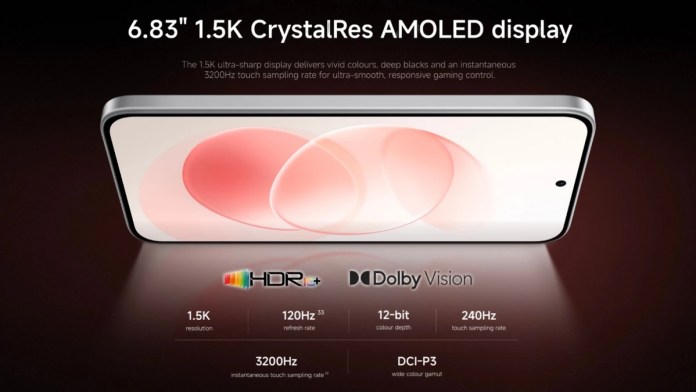
The Redmi Note 17 Pro Max 5G sports a 6.83-inch AMOLED panel with 1.5K resolution (2772 x 1280 pixels, around 447 ppi) and Xiaomi’s CrystalRes branding, running at up to 120Hz with peak brightness reaching 3,500 nits (UHBM) and 2,000 nits (HBM). It supports HDR10+, Dolby Vision, 12-bit colour depth, and a touch sampling rate of up to 240Hz that jumps to a 3,200Hz instantaneous rate in Game Turbo mode. Corning Gorilla Glass Victus 2 protects the front, and the panel also carries TÜV Rheinland certification for low blue light, flicker-free performance, and circadian friendliness.
Durability is a genuine highlight here too. The phone carries an IP66/IP68/IP69/IP69K rating, covering resistance to splashes, dust, static submersion up to 2 meters for 72 hours, and even high-pressure, high-temperature water jets. The Cloud Blush colour option uses photochromic material that shifts from white to pinkish orange under sunlight, alongside standard black, purple, and green finishes, and the whole build reflects what Xiaomi is calling its most rugged Redmi Note yet.
Performance

Powering the phone is Qualcomm’s Snapdragon 6 Gen 5 chipset, an octa-core setup built on a 4nm process and paired with an Adreno GPU. You get a choice of 8GB RAM with 128GB, 256GB, or 512GB storage, or a 12GB RAM version with 256GB storage, and the RAM itself is LPDDR5X running at up to 6400 Mbps. The 256GB and 512GB models use faster UFS 4.1 storage, while the base 128GB variant sticks with the older, slower UFS 2.2.
The phone runs HyperOS 3 on top of Android 16, bringing along AI tools like offline translation, real time speech transcription, and Xiaomi’s usual suite of editing features. Buyers also get a generous software commitment of six years of security patches and four major OS upgrades, which is a solid promise for a phone in this segment.
Camera
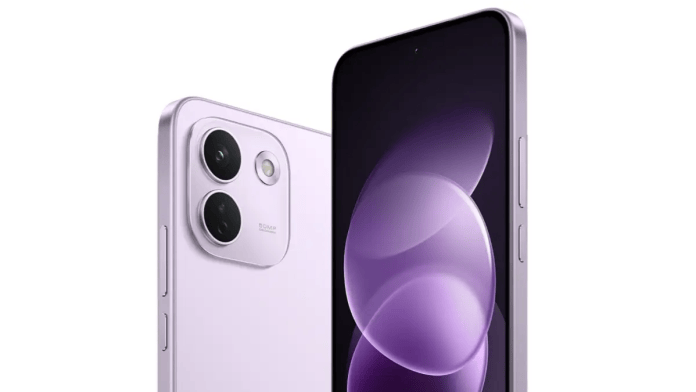
On the back, the setup includes a 50-megapixel primary sensor with optical image stabilisation for steadier shots and better low light performance, along with an 8-megapixel ultrawide lens. Video recording tops out at 4K at 30fps on the rear camera, with additional support for 1080p and 720p recording depending on the mode. Up front, a 32-megapixel selfie camera also supports 4K recording, which is fairly rare at this price point.
AI-driven features such as AI Erase Pro, AI Glare Removal, AI Sky, AI Bokeh, and AI Beautify round out the camera software experience, alongside standard extras like HDR, panorama, and a dedicated underwater mode.
Read Next
Battery and Connectivity

This is where the phone truly stands out. The Redmi Note 17 Pro Max packs a massive 10,000mAh silicon carbon battery, Xiaomi’s largest yet, paired with a 100W HyperCharge adapter capable of refilling a full day’s power in around 20 minutes. It also supports 27W wired reverse charging to top up other gadgets, along with PD3.0 and PD2.0 compatibility over its USB-C port.
Connectivity covers 5G, Wi-Fi 6, Bluetooth 6.0, NFC, and an infrared blaster, with dual SIM support available in nano-SIM plus nano-SIM, nano-SIM plus eSIM, or eSIM plus eSIM combinations. Security is handled through an in-screen fingerprint sensor and AI face unlock, while dual speakers with Dolby Atmos and Hi-Res audio support round out the multimedia experience.
Redmi Note 17 Pro Max 5G Specifications
- Design & Build: 163.44 x 78.27 x 8.65mm (8.57mm for Cloud Blush), 229.5g, glass front, IP66/IP68/IP69/IP69K dust and water resistance
- Display: 6.83 inches AMOLED (2772 x 1280 pixels), 120Hz refresh rate, HDR10+, Dolby Vision, 2000 nits HBM brightness, up to 3500 nits peak brightness
- Processor: Qualcomm Snapdragon 6 Gen 5 (4nm)
- Memory: Up to 12GB RAM, up to 512GB storage, UFS 4.1 (UFS 2.2 on 128GB variant), no microSD card slot
- Rear Camera: 50MP main (f/1.5, 26mm wide, OIS, PDAF) + 8MP ultrawide (f/2.2, 15mm, 120˚)
- Front Camera: 32MP (f/2.2 wide)
- Software & UI: Android 16, HyperOS 3
- Network & SIM: 5G, Dual SIM (Nano-SIM + Nano-SIM / Nano-SIM + eSIM / eSIM + eSIM)
- Connectivity: Wi-Fi 6 (dual-band), Bluetooth 6.0, GPS, GLONASS, GALILEO, BDS, QZSS, NFC, IR blaster, USB Type-C 2.0 with OTG
- Audio: Dual stereo speakers with Dolby Atmos, Hi-Res audio
- Sensors: Under-display optical fingerprint sensor, AI face unlock, accelerometer, gyroscope, proximity sensor, compass
- Battery: 10,000mAh, 100W wired HyperCharge, 27W reverse wired charging
Redmi Note 17 Pro Max 5G Price and Availability in Nepal
The Redmi Note 17 Pro Max officially arrives in Nepal, priced at NPR 69,999 for the 8GB+256GB variant and NPR 79,999 for the 12GB+256GB variant, and is now available at your nearest Xiaomi authorized stores across Nepal.
| Redmi Note 17 Pro Max | Nepal (Official) |
|---|---|
| 8GB+256GB | NPR 69,999 |
| 12GB+256GB | NPR 79,999 |
Conclusion
With its enormous 10,000mAh battery, capable Snapdragon 6 Gen 5 chipset, and a bright 120Hz AMOLED display, the Redmi Note 17 Pro Max 5G stands out as a strong choice for anyone who wants a phone that can comfortably last a full day, or even more, without needing a recharge.
Add in the rugged IP66/IP68/IP69/IP69K-rated build and a reliable camera setup, and it’s easy to see why this device has drawn attention. With its official launch in Nepal, the Redmi Note 17 Pro Max 5G is now available through Xiaomi’s authorized retail channels, giving local buyers a solid option in the premium mid-range segment.